
Contents
It’s often believed that once a basement floods, mold is an inevitable consequence. However, by following a systematic approach to mold remediation, you can greatly reduce the risk. Understanding the critical steps involved can make all the difference in restoring your space effectively. So, what are the precise actions you need to take to guarantee a thorough and safe remediation process?
Key Takeaways
- Assess the damage by inspecting areas for water intrusion, mold signs, and moisture levels using a moisture meter.
- Ensure safety by wearing appropriate personal protective equipment (PPE) and ensuring proper ventilation.
- Remove standing water using submersible pumps and wet vacuums, while disconnecting electrical sources for safety.
- Dry out the area with fans and dehumidifiers, and open windows to promote airflow and speed up evaporation.
- Clean and disinfect all affected surfaces, then repair or replace damaged materials with mold-resistant options.
Assessing the Damage
When you’re faced with a flooded basement, the first step is to assess the damage thoroughly.
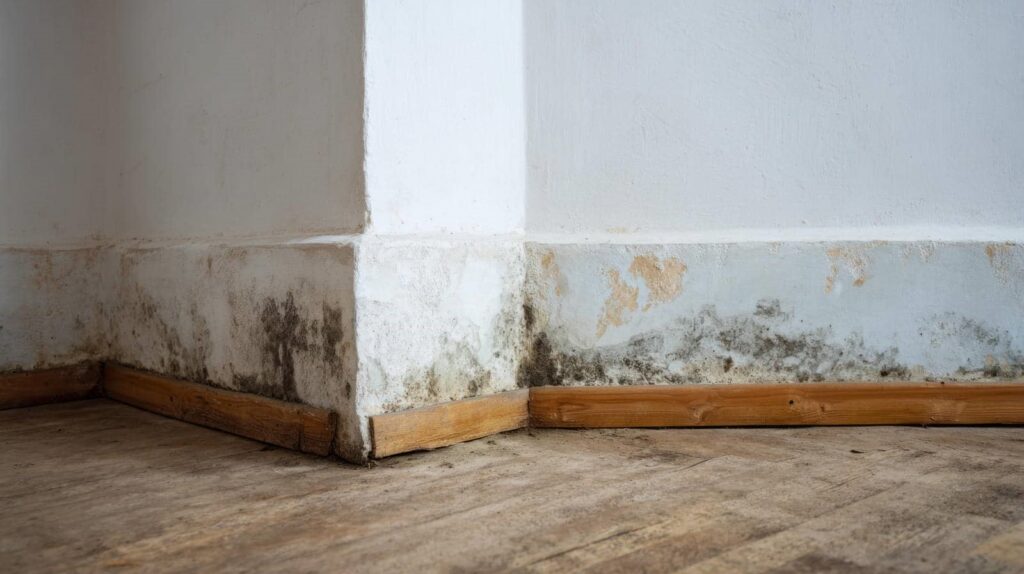
Begin by inspecting the affected areas, noting the extent of water intrusion. Identify surfaces like wood, drywall, and carpet, as each has varying susceptibility to mold types. Record any visible signs of mold, such as discoloration or a musty odor, which can indicate specific mold types like black mold or Aspergillus.
Next, determine the moisture levels in the environment; this will help you understand the potential for mold growth. Use a moisture meter for accurate readings and document your findings.
Lastly, take photographs and create a detailed report of your damage assessment. This information will guide your remediation efforts and guarantee you address all affected areas effectively.
Ensuring Safety Precautions
When tackling mold remediation in flooded basements, prioritizing safety precautions is essential.
You must equip yourself with proper personal protective equipment, guarantee adequate ventilation and airflow, and implement electrical safety measures.
These steps will help mitigate risks associated with mold exposure and water-damaged environments.
Personal Protective Equipment
To effectively mitigate the risks associated with mold remediation in flooded basements, you must prioritize the use of appropriate personal protective equipment (PPE).
Begin with protective clothing, such as long-sleeved shirts and pants, to shield your skin from mold spores. Consider using disposable coveralls for added safety and easy disposal after the job.
Respirators equipped with HEPA filters are essential to avoid inhaling airborne mold spores that can lead to health issues.
Don’t forget gloves—nitrile gloves are preferable, as they resist mold and chemical exposure.
Finally, make sure you wear safety goggles to protect your eyes from irritants.
Ventilation and Airflow
Effective ventilation and airflow are essential for guaranteeing safety during mold remediation in flooded basements.
Start by opening windows and doors to promote natural air circulation, which helps dissipate mold spores. Use fans strategically to enhance airflow, directing them towards damp areas to expedite drying.
Aim for a humidity level below 60% to inhibit mold growth; dehumidifiers can assist in achieving this. Regularly monitor humidity levels with a hygrometer, adjusting your strategies as needed.
Ascertain that any fans or ventilation systems are placed well away from contaminated zones to prevent spreading spores.
Electrical Safety Measures
Because flooded basements pose significant electrical hazards, prioritizing electrical safety measures is crucial during mold remediation.
You must guarantee the safety of both yourself and your property by following these guidelines:
- Disconnect all electrical appliances from outlets.
- Utilize a qualified electrician for thorough electrical inspections.
- Check for damaged wiring or outlets before re-energizing circuits.
- Use ground-fault circuit interrupters (GFCIs) for added circuit safety.
- Avoid standing in water while handling electrical equipment.
Removing Standing Water
Removing standing water is essential to preventing mold growth in flooded basements. Start by evaluating the depth of the water; if it’s significant, you’ll need to use a submersible pump for efficient water extraction.
Make sure you’ve disconnected any electrical sources to avoid hazards during pump operation. Position the pump in the deepest area of the water to maximize efficiency.
As the water level decreases, monitor the area closely for structural damage that may require additional attention. Once the majority of the water is removed, utilize wet vacuums or mops for any residual moisture.
Remember to wear protective gear, including gloves and boots, to safeguard against contaminants.
After you’ve completed the water extraction process, be prepared to move swiftly to the next steps in your mold remediation plan. Prompt action will foster a safer environment and help guarantee your basement is mold-free.
Drying Out the Area
Once you’ve extracted the standing water, drying out the area becomes your next priority to prevent mold development.
Effective moisture control is essential, and employing the right drying techniques will guarantee your basement returns to a safe environment.
Here’s how to proceed:
- Ventilate: Open windows and doors to promote airflow.
- Dehumidify: Use a dehumidifier to reduce moisture levels.
- Heat: Increase the temperature in the basement to help evaporate remaining moisture.
- Fans: Set up fans to circulate air and expedite drying.
- Absorbents: Utilize moisture-absorbing materials, like silica gel, to draw out dampness.
Identifying Mold Growth
While you’re drying out your basement, it’s essential to be vigilant for signs of mold growth, as it can develop rapidly in damp environments.
Start by inspecting areas with high humidity, especially around plumbing, walls, and flooring. Common mold types include Aspergillus, Cladosporium, and Stachybotrys, each thriving under specific growth conditions, such as moisture and organic material.
Look for visual indicators like discoloration, typically black, green, or white patches. Additionally, pay attention to musty odors, which often signal hidden mold.
Use a moisture meter to identify damp areas, as elevated moisture levels create ideal conditions for mold proliferation. If you notice any signs or suspect mold presence, document your findings.
This awareness not only helps in understanding the extent of the issue but also prepares you for the next steps in remediation. Being proactive in identifying mold is key to ensuring a safe and healthy basement environment.
Containing the Mold
To effectively contain the mold, you must first identify all affected areas within the basement.
Once you’ve pinpointed the problem spots, seal off the space to prevent spores from spreading.
Always wear appropriate protective gear to guarantee your safety during the remediation process.
Identify the Affected Areas
Identifying the affected areas in a flooded basement is essential for effective mold remediation.
Start by examining all surfaces and materials that may harbor different mold types. Pay close attention to common moisture sources that contribute to mold growth.
- Inspect walls and ceilings for discoloration or water damage.
- Check floors, particularly under carpets and rugs.
- Look into corners and hidden spaces where moisture may accumulate.
- Assess wooden beams and structural supports for signs of rot.
- Examine HVAC systems, as they can spread spores.
Seal Off the Space
Sealing off the space is a critical step in containing mold during remediation. To effectively manage mold containment, you need to establish flood barriers around the affected area.
Start by closing all doors and windows, ensuring no open pathways exist for mold spores to escape. Use heavy-duty plastic sheeting to seal vents and any openings, creating a controlled environment.
If possible, set up negative air pressure by using a fan to direct airflow outside, which helps keep spores contained. Make sure to tape all seams securely to prevent leaks.
This method not only protects your home but also minimizes exposure to mold, fostering a sense of safety and community support as you tackle this issue collectively.
Use Protective Gear
When tackling mold remediation, it’s essential to don protective gear to guarantee your safety from harmful spores. This gear minimizes your exposure and helps you manage the situation effectively.
Here’s what you need to wear:
- N95 respirator mask: Filters out airborne mold spores.
- Protective clothing: Long sleeves and pants to shield your skin.
- Safety goggles: Protects your eyes from irritants.
- Gloves: Nitrile or rubber gloves prevent skin contact with mold.
- Boots: Waterproof and sturdy footwear to keep your feet safe.
Cleaning and Disinfecting Surfaces
To effectively combat mold growth in flooded basements, you need to focus on thoroughly cleaning and disinfecting all affected surfaces.
Start by using appropriate mold cleaning techniques, such as scrubbing with a mixture of water and detergent or using a commercial mold cleaner. Make sure you’re targeting all porous and non-porous surfaces, including walls, floors, and furniture.
After cleaning, it’s essential to disinfect surfaces to eliminate any remaining mold spores.
Use a solution of one cup of bleach in a gallon of water, or consider EPA-approved disinfectants. Apply the solution generously and allow it to sit for at least 10 minutes before rinsing with clean water.
Repairing and Replacing Damaged Materials
After thoroughly cleaning and disinfecting your flooded basement, addressing damaged materials is essential for preventing future mold growth.
You’ll want to focus on proper material selection and installation techniques to guarantee a durable and mold-resistant environment.
Consider the following steps:
Assess damage: Identify which materials need repair or replacement.
Choose resistant materials: Opt for mold-resistant drywall, insulation, and flooring.
Follow installation best practices: Guarantee proper sealing and ventilation during installation.
Use moisture barriers: Install barriers to protect against future moisture intrusion.
Consult professionals: If unsure, seek expert advice for complex repairs.
Implementing Preventative Measures
Addressing damaged materials lays the groundwork for a mold-resistant environment, but ongoing prevention is key to long-term success.
To effectively implement mold prevention strategies, you must focus on moisture control. Begin by ensuring proper ventilation in your basement. Use dehumidifiers to maintain humidity levels below 60%, effectively reducing the likelihood of mold growth.
Inspect your home regularly for leaks, especially around plumbing fixtures and windows. Seal any cracks in walls or floors to prevent water intrusion. Additionally, consider installing a sump pump if your area is prone to flooding.
Utilize moisture-resistant materials when renovating, opting for mold-resistant drywall and paint.
Ultimately, keep an eye on indoor humidity with a hygrometer, allowing you to take prompt action if levels rise. By proactively addressing these aspects, you foster a community of health and safety, ensuring your living space remains mold-free for years to come.
Frequently Asked Questions
How Long Does Mold Take to Develop After Flooding?
Mold can start developing within 24 to 48 hours after flooding, depending on moisture levels and temperature. Understanding this mold growth timeline helps you take prompt action during the flooding aftermath to prevent further issues.
Can I Remove Mold Myself or Should I Hire a Professional?
You can attempt DIY mold remediation using effective mold removal methods, but hiring a professional guarantees thoroughness and safety. Evaluate your comfort level and the extent of the mold before deciding on the best approach.
What Health Risks Are Associated With Mold Exposure?
Mold exposure can lead to mild symptoms like sneezing or severe health effects such as respiratory issues. You should be aware of these risks, as they can impact your well-being and daily life considerably.
Does Homeowners Insurance Cover Flood-Related Mold Damage?
Homeowners insurance typically doesn’t cover flood-related mold damage unless you have specific flood insurance with mold coverage. You should review your policy to guarantee you’re adequately protected against potential mold issues after a flood.
How Can I Prevent Mold After Water Damage?
Think of mold like a stubborn weed; effective moisture control is your best defense. Implement mold prevention tips by ensuring proper ventilation, using dehumidifiers, and promptly drying any water damage to maintain a healthy environment.
Summary
By following these essential steps for mold remediation in flooded basements, you can effectively tackle any mold menace that feels like a monster lurking in your home. Assess the damage, guarantee safety, and remove standing water to create a dry environment. Cleaning and repairing damaged areas will not only restore your space but also prevent future outbreaks. Stay vigilant with humidity levels, and you’ll keep your basement mold-free, guaranteeing a healthier living space for you and your family.
Recent Posts
Top Tips for Mold Prevention Post-Flooding
Just like the aftermath of a storm, dealing with flooding requires immediate and strategic action
Why Follow Mold Prevention Guidelines After Flooding?
Imagine a family returning home after a flood, only to discover mold creeping along the
What Are Top Mold Prevention Tips After Flooding?
Imagine your home as a sponge, soaked and heavy after a flood. If you don’t