
Contents
Dealing with sewage backup and its aftermath can be intimidating. It’s vital to act swiftly and safely to minimize risks. You’ll need to assess the damage and guarantee you’re properly protected. Understanding the right steps for cleanup can make a significant difference. However, knowing when to tackle the job yourself versus when to seek professional help is equally important. Let’s explore the essential steps for effective mold cleanup and prevention strategies next.
Key Takeaways
- Wear appropriate safety gear, including gloves, masks, and goggles, to protect against harmful contaminants during the cleanup process.
- Evacuate the area and shut off water and electricity to prevent additional hazards before starting cleanup efforts.
- Remove standing water and dispose of contaminated porous materials, like carpets, that cannot be adequately cleaned.
- Sanitize surfaces with disinfectants and ensure proper ventilation to aid in drying and prevent mold growth.
- Monitor for signs of mold after cleanup and engage professionals if extensive damage or health risks are present.
Assessing the Damage and Safety Risks
When you discover a sewage backup, it’s essential to assess the damage immediately, as delayed action can exacerbate health risks.
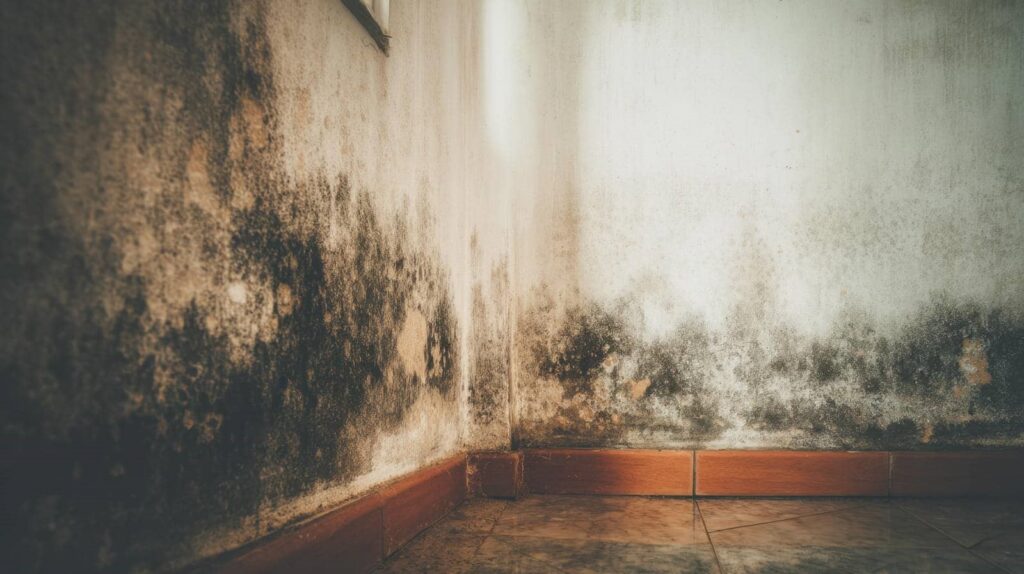
Start your damage assessment by identifying the extent of the contamination. Look for visible signs of sewage, such as discoloration on walls or floors, and check for any structural impacts. Don’t forget to evaluate the affected materials; porous materials like carpets and drywall may require replacement due to their absorption of harmful pathogens.
Next, conduct a risk evaluation to understand potential health implications. Contaminated areas can harbor bacteria, viruses, and mold, posing serious health threats.
Take note of any lingering odors or unusual dampness, which can signal ongoing issues. Engaging professionals for a thorough evaluation might be wise if the damage appears extensive.
Essential Safety Gear and Equipment
When tackling sewage backup mold cleanup, wearing the right safety gear is vital for your protection.
You’ll need appropriate protective clothing, effective respiratory protection, and essential cleaning tools to guarantee a safe and thorough job.
Understanding these requirements will help you minimize exposure to harmful contaminants and effectively manage the cleanup process.
Protective Clothing Requirements
Protecting yourself during sewage backup mold cleanup is essential, as exposure to contaminated materials can pose serious health risks.
To guarantee your safety, equip yourself with the right protective clothing. Here are three key items you should wear:
Protective Gloves: Use heavy-duty, waterproof gloves to shield your hands from hazardous materials and prevent skin contact.
Coveralls: Opt for disposable coveralls that resist moisture and contaminants, keeping your clothing and skin safe.
Rubber Boots: Wear tall rubber boots to protect your feet and lower legs from exposure to sewage and mold.
Respiratory Protection Options
For effective respiratory protection during sewage backup mold cleanup, selecting the right equipment is essential. You should prioritize high-quality respiratory masks that offer both comfort and efficiency.
Look for masks equipped with advanced air filtration systems, as these can greatly reduce your exposure to harmful spores and contaminants. N95 respirators are a popular choice, filtering out at least 95% of airborne particles.
If you’re dealing with severe contamination, consider a powered air-purifying respirator (PAPR) for enhanced protection. Remember, proper fit is vital—ensure your mask seals tightly against your face to maximize its effectiveness.
Cleaning Tools Necessities
Selecting the right cleaning tools is just as important as guaranteeing respiratory protection. To tackle sewage backup mold cleanup effectively, you need essential cleaning supplies that will help you manage the situation safely and efficiently.
Here are three must-have items:
Heavy-duty gloves: Protect your hands from contaminants while handling mold and sewage materials.
N95 respirator mask: Ensure you’re shielded from inhaling mold spores and harmful particles during cleanup.
Mold treatments: Use specific cleaning agents designed to eliminate mold and prevent regrowth effectively.
Equipping yourself with these tools not only enhances your safety but also streamlines the cleanup process.
Prioritizing the right equipment fosters a sense of community, as you work alongside others to restore your space.
Initial Cleanup Steps After Sewage Backup
Once you’ve identified a sewage backup, it’s crucial to act swiftly to mitigate damage and prevent mold growth. Start by ensuring everyone’s safety; evacuate the area and avoid contact with sewage contamination. Wear protective gear, including gloves, masks, and boots, to shield yourself from harmful pathogens.
Next, shut off the water and electricity in the affected area to prevent further issues.
Begin your immediate response by removing any standing water with a wet/dry vacuum. Dispose of contaminated materials like carpets, furniture, and any porous items that can’t be cleaned effectively.
Sanitize the space thoroughly using appropriate disinfectants to eliminate bacteria and prevent mold growth. Open windows and use fans to increase ventilation and aid in drying.
Finally, document the damage for insurance purposes. By following these initial cleanup steps, you’ll set the stage for a safer, healthier environment.
Effective Mold Removal Techniques
Before you tackle mold removal, it’s essential to prioritize safety precautions.
This includes wearing protective gear and ensuring proper ventilation to minimize health risks.
Once you’ve established a safe environment, you can consider professional cleanup methods for effective removal.
Safety Precautions First
Although tackling mold removal after a sewage backup may feel overwhelming, prioritizing safety precautions is vital for effective cleanup. Ignoring safety protocols can expose you to significant health risks.
Here are three important steps to follow:
Wear Protective Gear: Use gloves, masks, and goggles to shield yourself from harmful mold spores and contaminated materials.
Guarantee Ventilation: Open windows and doors to improve airflow, which helps minimize your exposure to toxic fumes.
Control Water Source: Before starting any cleanup, confirm the sewage source is contained to prevent further contamination.
Professional Cleanup Methods
When dealing with mold resulting from a sewage backup, employing professional cleanup methods is essential for thorough eradication and prevention of future growth.
Mold remediation experts utilize specialized techniques to safely remove contaminated materials and sanitize affected areas. They follow strict sanitation protocols to guarantee that all spores are eliminated, minimizing health risks for you and your family.
High-efficiency particulate air (HEPA) vacuums, antimicrobial treatments, and air scrubbers are often employed during the process. Additionally, professionals assess moisture levels to prevent recurrence.
By relying on their expertise, you can restore your environment effectively and safely, fostering a sense of security and belonging in your home.
Trusting professionals guarantees that the job is done right, providing peace of mind.
Preventing Future Sewage Backup Issues
To effectively prevent future sewage backup issues, it’s essential to understand the underlying causes and implement proactive measures.
Regular attention to your plumbing system can make a significant difference. Here are three key strategies you can adopt:
Routine Drain Maintenance: Make certain that you regularly clean and maintain your drains. This helps prevent clogs that lead to backups.
Plumbing Inspections: Schedule periodic plumbing inspections with a qualified professional. They can identify potential issues before they escalate into serious problems.
Mind What Goes Down the Drain: Be cautious about what you flush or pour down your drains. Avoid putting grease, food scraps, or non-biodegradable items into your plumbing system.
When to Call in Professional Help
Recognizing the right moment to call in professional help is essential for effectively managing sewage backup and mold cleanup. If you notice extensive water damage, visible mold growth, or a persistent unpleasant odor, it’s time to seek a professional assessment.
Attempting to handle significant issues on your own can lead to more complications and health risks.
When evaluating the damage, understand that professionals have the tools and expertise to conduct thorough damage evaluations. They can identify hidden mold and structural damage that you might overlook.
If the sewage backup affects a large area or involves hazardous materials, it’s critical to involve specialists who can guarantee safe and effective remediation.
Additionally, if you feel overwhelmed or unsure about the cleanup process, don’t hesitate to reach out for help. Connecting with professionals not only protects your home but also provides peace of mind as you navigate this challenging situation.
Frequently Asked Questions
How Can I Identify Toxic Mold Versus Regular Mold?
To identify toxic mold, use mold identification techniques like visual inspection and air sampling. Watch for toxic mold symptoms, including respiratory issues or allergic reactions. If in doubt, consult a professional for accurate assessment and guidance.
Will Home Insurance Cover Sewage Backup and Mold Damage?
Home insurance might cover sewage backup and mold damage, but check your policy for coverage limits and exclusions. Think of it like a safety net sometimes it catches you, sometimes it leaves gaps. Always read the fine print.
Can I Use Bleach to Clean Sewage Backup Mold?
You shouldn’t use bleach for sewage backup mold removal. While bleach’s effectiveness seems appealing, it doesn’t penetrate porous surfaces well, allowing mold to return. Opt for specialized mold removers for thorough and lasting results instead.
What Are the Long-Term Health Effects of Sewage Mold Exposure?
Long-term exposure to sewage mold can lead to chronic respiratory issues and neurological symptoms. You might experience persistent coughing, difficulty breathing, headaches, or cognitive problems, which can greatly impact your quality of life and well-being.
How Often Should I Inspect for Mold After Cleanup?
You should inspect for mold every month for at least six months after cleanup. This mold inspection frequency helps guarantee any hidden growth doesn’t develop, keeping your space safe and healthy within the cleanup timeline.
Summary
In the face of an unwelcome plumbing surprise, it’s essential to act swiftly and smartly. By prioritizing safety and following the right cleanup steps, you can restore your space while keeping mold at bay. Remember, if the situation feels overwhelming, it’s wise to call in the experts who specialize in reclaiming spaces from such unfortunate events. Proactive measures can also help you sidestep future mishaps, ensuring your home stays safe and healthy for you and your family.
Recent Posts
Comprehensive Solutions for Flooded Home Drying
When your home faces flooding, acting quickly is vital to minimize damage and prevent health
What Are Emergency Structural Drying Services?
When water damage occurs, understanding emergency structural drying services becomes essential. These specialized interventions not
What to Do for Sewage Backup Mold Cleanup?
When dealing with sewage backup mold cleanup, it’s vital to approach the situation methodically. You’ll