
Contents
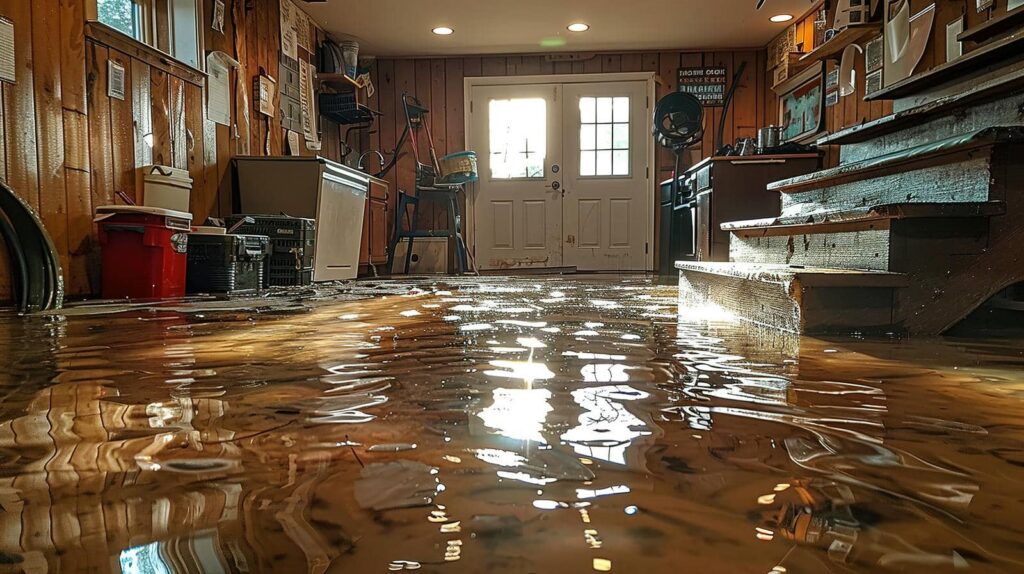
Imagine your basement turning into an unexpected swimming pool after a heavy downpour; this scenario highlights the urgency of effective water extraction methods. When faced with such emergencies, knowing the right tools and techniques can save your property from extensive damage. Whether you’re dealing with light seepage or a significant flood, understanding your options is key. Let’s explore the best strategies to tackle water extraction swiftly and efficiently.
Key Takeaways
- Use wet/dry vacuums for immediate removal of small to moderate water accumulations in the basement.
- Employ submersible pumps for quick extraction of larger volumes of water during severe flooding situations.
- Utilize absorbent towels and mops for minor water spills to soak up residual moisture effectively.
- Consider professional water extraction services for extensive flooding or when safety is a concern.
- Ensure safety measures, such as checking for electrical hazards, before initiating any water extraction method.
Assessing the Situation: Safety First
Before you begin any water extraction process, it’s essential to assess the situation to guarantee your safety and that of others.
Start by evaluating the extent of the water damage. Determine whether the water is clean, gray, or contaminated, as this will dictate your approach. Check for potential hazards such as electrical issues or structural instability.
Familiarize yourself with emergency protocols, like shutting off power or gas supplies. If the water level is too high, don’t attempt to enter the area; call professionals instead.
Communicate clearly with anyone involved, ensuring everyone understands the risks and necessary actions. Document the situation for future reference and insurance claims.
By prioritizing a thorough situation assessment, you foster a safer environment, helping yourself and others navigate the crisis with confidence.
Using a Wet/Dry Vacuum
A wet/dry vacuum can be one of the most effective tools for removing water from your basement, especially when dealing with small to moderate amounts of flooding. Its versatility allows you to tackle various types of debris and liquids, making it an essential asset in emergencies.
One of the key wet/dry vacuum benefits is its powerful suction, which can quickly eliminate standing water, reducing the risk of mold and further damage.
To maximize its efficiency, follow these vacuum maintenance tips: always clean the filter after each use, and check for clogs in the hose.
Regularly inspect the unit for any signs of wear and tear, ensuring it operates at peak performance. By keeping your wet/dry vacuum in top shape, you’ll be ready for any unexpected basement flooding, allowing you to maintain a safe and dry environment for your home and family.
Submersible Pumps for Quick Extraction
Submersible pumps are often the go-to solution for quick water extraction in basements, especially during severe flooding events. These pumps operate efficiently underwater, making them ideal for tackling high water levels.
You’ll find various submersible pump types, including utility pumps and sewage pumps, each designed for specific scenarios.
To maximize efficiency, focus on optimal pump placement. Position the pump in the lowest area of your basement, allowing it to remove water effectively. Make sure that the discharge hose directs water away from your home’s foundation to prevent future flooding.
Before using a submersible pump, check its power and compatibility with your specific needs. Regular maintenance is essential for long-term performance, so inspect and clean the pump periodically.
Sump Pumps: Reliable Water Removal
While many homeowners rely on submersible pumps for immediate water extraction, sump pumps offer a dependable long-term solution for managing water accumulation in basements.
There are various sump pump types, including pedestal and submersible models, each suited for specific environments. Pedestal pumps are convenient for larger spaces, while submersible pumps effectively handle more significant water volumes.
To guarantee peak performance, regular sump pump maintenance is essential. This involves checking the float switch, cleaning the sump pit, and inspecting discharge lines for blockages.
You’ll want to test your pump periodically, especially before the rainy season.
Utilizing a Hose and Gravity
When using a hose and gravity for basement water extraction, choosing the right hose is essential for efficiency.
You’ll need to position the hose strategically to maximize water flow and minimize resistance.
Additionally, always take necessary safety precautions to prevent accidents while working in potentially hazardous conditions.
Hose Selection Tips
How do you choose the right hose for effective water extraction from your basement? First, consider hose materials. Look for durable options like reinforced PVC or rubber, which can withstand water pressure and resist kinks.
Next, focus on hose lengths. Longer hoses provide flexibility in positioning, but make sure they’re manageable to avoid fatigue during use. A 50-foot hose is often ideal for most basements, allowing you to reach the nearest drainage point without excessive hassle.
Additionally, check the diameter; wider hoses can move more water quickly, which is vital during emergencies. By choosing the right materials and lengths, you’ll enhance your water extraction efficiency, helping you reclaim your space and restore comfort in your home.
Positioning for Efficiency
Selecting the right hose sets the foundation for effective water extraction, but positioning it correctly is just as important.
Start by conducting water source identification to pinpoint the areas with the highest concentrations of water. Once identified, place your extraction equipment strategically, guaranteeing the hose leads downhill towards a drainage point. This leverages gravity, allowing water to flow naturally and minimizing the need for additional effort.
Secure the hose to prevent kinks or blockages, which can disrupt the flow. Remember, every second counts in an emergency, so optimizing extraction equipment placement is essential.
Safety Precautions Necessary
While using a hose and gravity for water extraction can be highly effective, guaranteeing safety throughout the process is essential.
Start by wearing appropriate safety gear, including gloves and rubber boots, to protect yourself from contaminants. If the basement has significant flooding or electrical hazards, consider turning off the power supply before starting.
It’s also wise to have your emergency contacts on hand, including local water damage restoration services, should complications arise.
Ensure the hose is securely positioned to avoid any spills or accidents.
Finally, maintain a clear path for both yourself and any equipment, minimizing the risk of slips or falls.
Following these precautions will help you manage the extraction process safely and efficiently.
Towels and Mops for Minor Floods
If you find yourself dealing with a minor flood in your basement, using towels and mops can be an effective first step in water extraction.
Start with towel techniques: grab absorbent towels and soak up as much water as possible. Wring them out into a bucket to maximize efficiency. Rotate towels frequently to maintain effectiveness.
For larger areas, mop methods come into play. Use a mop to sweep up residual water, making sure to rinse it regularly to avoid spreading dirt or contaminants. Employ a squeegee to push water toward a drain or outside, if possible.
Combining these methods will help you manage minor flooding quickly. Remember to regularly check for hidden moisture spots in corners or beneath furniture to prevent mold growth.
Professional Water Extraction Services
For more severe flooding situations, relying on professional water extraction services becomes necessary.
These experts utilize advanced professional techniques to remove water quickly and efficiently, reducing the risk of long-term damage. When you call for emergency response, trained technicians assess the situation and deploy specialized equipment, such as high-capacity pumps and industrial-grade dehumidifiers.
They understand the urgency of your situation and act swiftly to mitigate potential health hazards, including mold growth and structural issues.
With a deep knowledge of water damage restoration, these professionals guarantee that every inch of water is extracted, and they can also address any underlying problems that contributed to the flooding.
Preventative Measures for Future Emergencies
To prevent future flooding emergencies, you need to implement regular maintenance checks on your basement systems.
Ascertain proper drainage systems are in place and functioning effectively to redirect water away from your home.
Additionally, consider waterproofing solutions to protect your basement from potential water intrusion.
Regular Maintenance Checks
While many homeowners overlook the importance of regular maintenance checks, keeping a close eye on your basement’s condition can prevent costly water damage in the future. Implementing routine inspections is essential.
Start with a maintenance checklist that includes checking for cracks in walls, inspecting window seals, and guaranteeing proper ventilation. Pay attention to any signs of moisture or mold, as these can indicate larger issues.
Regularly clear gutters and downspouts to avoid water buildup around your foundation. Additionally, inspect sump pumps and drainage systems to confirm they’re functioning correctly.
Proper Drainage Systems
A well-designed drainage system is essential for preventing water accumulation in your basement. To effectively manage water flow around your home, consider implementing a thorough drainage design.
Start by installing gutters and downspouts that direct rainwater away from your foundation. Additionally, grading the landscape can enhance the natural slope, ensuring that water drains away from your property.
Incorporating a French drain can further aid in redirecting excess water, while sump pumps can provide an extra layer of protection during heavy rainfall.
Regularly inspect these systems to catch any blockages or failures early. By prioritizing a robust drainage design, you’ll protect your basement from future water issues and create a safer, more comfortable space for you and your family.
Waterproofing Solutions
Implementing effective waterproofing solutions is essential for safeguarding your basement against future water intrusion.
Start by evaluating your current basement sealing methods; any cracks or gaps must be addressed promptly.
Utilize high-quality waterproofing materials like sealants, membranes, and coatings that will create a barrier against moisture penetration.
Consider applying a waterproofing membrane on walls and floors to enhance protection.
Additionally, make certain that your gutters and downspouts direct water away from your foundation, minimizing risks.
Installing a sump pump can also provide an extra layer of defense.
Frequently Asked Questions
What Should I Wear While Extracting Water From My Basement?
When extracting water from your basement, wear protective gear like waterproof boots, gloves, and a mask. Safety equipment guarantees you stay safe from contaminants and hazards, making the process more efficient and secure for you.
Can I Use Regular Household Fans to Dry the Area?
Yes, you can use regular household fans to dry the area, but their efficiency may be limited. For ideal air circulation, consider using high-powered fans instead, as they greatly enhance drying speed and effectiveness.
How Do I Determine if My Basement Is Safe to Enter?
To determine if your basement’s safe to enter, conduct a safety assessment. Check for signs of structural integrity issues, like cracks or sagging, and make certain there’s no water or electrical hazards before stepping inside.
What Items Should I Remove Before Starting the Extraction Process?
Before starting extraction, remove valuable items and furniture. Prioritize electronics, photographs, and personal belongings to prevent damage. Make sure you have a clear path for water removal equipment, enhancing safety and efficiency during the process.
How Long Does It Typically Take for a Basement to Dry Completely?
You might wonder how long it takes for your basement to dry completely. Typically, the drying timeline varies between 3 to 7 days, influenced by moisture factors like ventilation, humidity, and temperature.
Summary
When faced with basement flooding, act swiftly using the best extraction methods to protect your home from water damage. Whether you’re employing a wet/dry vacuum, a submersible pump, or even some good old-fashioned towels, every second counts. Don’t underestimate the power of preventive measures; they can save you from a deluge of headaches later. By taking these steps, you’ll feel like a water removal superhero, keeping your basement dry and disaster-free!
Recent Posts
3 Best Emergency Tips for Sewage Backup Cleanup
Sewage backups can release harmful pathogens that pose serious health risks, often underestimated by homeowners.
Why Remediate Mold in Water-Damaged Basements?
If you’ve experienced water damage in your basement, addressing mold growth is essential. Mold can
Steps for Mold Remediation in Flooded Basements
It’s often believed that once a basement floods, mold is an inevitable consequence. However, by