Contents
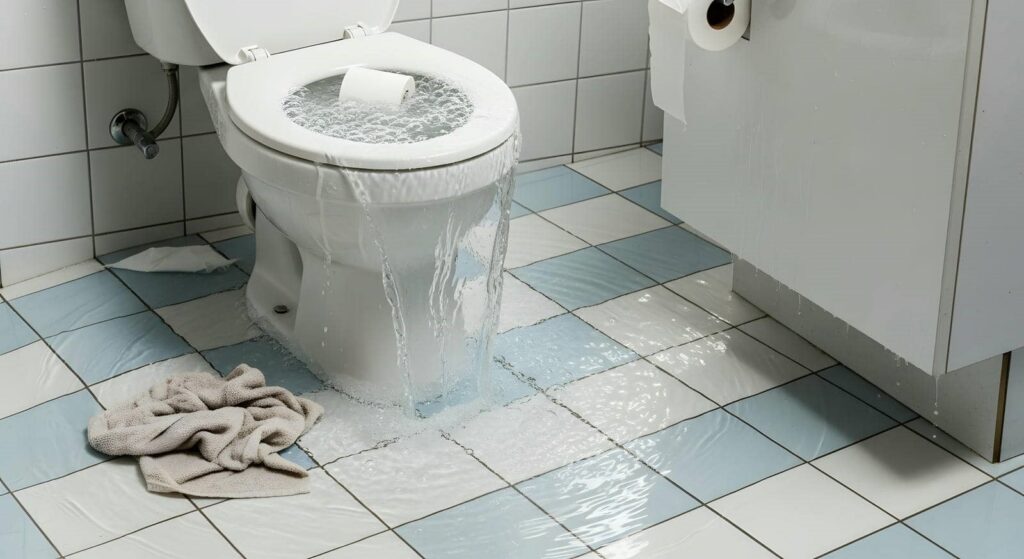
When faced with a sewage backup, your priority should be safety and effective water extraction. Start by evaluating the situation and gathering essential equipment, but don’t forget to wear protective gear to shield yourself from contaminants. Understanding the steps for proper removal and sanitation can prevent further damage and health risks. As you navigate through these challenges, consider what preventative measures you can implement for the future.
Key Takeaways
- Wear protective gear like gloves, masks, and boots to safeguard against harmful bacteria and contaminants during sewage backup cleanup.
- Turn off utilities, including water and electricity, to prevent further hazards and damage while addressing the sewage backup.
- Use high-capacity drainage pumps and wet-dry vacuums to effectively remove standing water and debris from affected areas.
- Disinfect all surfaces with EPA-approved products, allowing adequate contact time for thorough sanitation after water extraction.
- Implement preventative measures, such as plumbing inspections and backflow valves, to minimize the risk of future sewage backups.
Assessing the Situation and Safety Precautions
When dealing with a sewage backup, it’s crucial to assess the situation quickly and prioritize safety. Start with an initial assessment to identify the extent of the backup. Look for visible damage, unusual odors, or standing water. Make sure you’re wearing protective gear, such as gloves and boots, to minimize exposure to harmful pathogens.
Next, check for potential hazards like electrical outlets or appliances in the affected area. If you detect any, turn off the power before proceeding further. Remember, your safety is paramount; don’t hesitate to evacuate if the situation seems overwhelming.
Once safety measures are in place, you can begin to plan your next steps. Communicating with family members or household members about what’s happening fosters a sense of belonging and teamwork.
Gathering Necessary Equipment and Supplies
Before you begin the extraction process, it’s vital to gather the right equipment and supplies.
You’ll need an essential tools checklist, appropriate protective gear, and effective cleaning solutions to guarantee a safe and thorough job.
Having these items ready will streamline your efforts and enhance safety during the cleanup.
Essential Tools Checklist
Having the right tools on hand is essential for effective sewage backup water extraction. Start with high-capacity drainage pumps to swiftly remove accumulated water, preventing further damage.
Next, invest in powerful water vacuums designed for heavy-duty cleanup; they’ll help you tackle remaining moisture and debris efficiently. Don’t forget sturdy hoses and extension cords, ensuring your equipment operates smoothly.
A reliable wet-dry vacuum is also critical for absorbing residual water and contaminants. Additionally, gather buckets and sponges for manual cleaning, plus a flashlight for dark areas.
Having these tools readily available not only streamlines the extraction process but also fosters a sense of community as you tackle the challenging task together, ensuring a safer environment for everyone involved.
Protective Gear Required
Protective gear is essential when dealing with sewage backup water extraction, as it safeguards you from harmful contaminants.
Start by wearing personal protective equipment (PPE) like gloves, masks, and goggles to minimize contamination risks. Waterproof boots are also vital to keep your feet safe from hazardous materials.
Consider using coveralls or disposable suits to prevent any direct contact with contaminated water. Guarantee your gear is made of durable, reliable materials that can withstand exposure to bacteria and chemicals.
It’s important to regularly check your protective equipment for any damage before beginning the extraction process.
Prioritizing your safety not only protects you but also sets a standard for others working alongside you. Together, you can effectively tackle this challenging situation.
Cleaning Solutions Overview
When tackling sewage backup water extraction, gathering the right cleaning solutions and equipment is essential for effective remediation.
Start by selecting appropriate cleaning agents that can neutralize harmful bacteria and odors. Look for eco-friendly solutions that are safe for both your family and the environment. These products often contain natural ingredients that effectively break down waste without harsh chemicals.
You’ll need a mix of disinfectants and sanitizers to guarantee thorough cleaning, along with absorbent materials like towels or mops.
Don’t forget to equip yourself with a sturdy vacuum, gloves, and protective eyewear. Having these items ready won’t only streamline your process but also promote a safe and healthy living space for everyone involved.
Wearing Protective Gear
When dealing with sewage backup, wearing the right protective gear is vital for your safety.
You’ll need essential equipment like gloves, goggles, and masks to shield yourself from harmful pathogens.
Additionally, follow proper clothing guidelines to guarantee you’re adequately protected while extracting contaminated water.
Essential Protective Equipment
Ensuring your safety during sewage backup water extraction is essential, as exposure to contaminated water can pose serious health risks.
Wearing the right protective gear not only shields you but also boosts your confidence in handling the situation effectively.
Here are the essential items you should have on hand:
- Protective masks to prevent inhaling harmful particles
- Safety goggles to shield your eyes from splashes
- Heavy-duty gloves to protect your hands from contaminants
- Waterproof boots to keep your feet dry and safe
- Disposable coveralls to minimize skin exposure
Proper Clothing Guidelines
How can you guarantee maximum protection during sewage backup water extraction? First, adhere to safety protocols by selecting appropriate clothing materials.
Wear waterproof boots to shield your feet from contaminants, and make certain they’ve a non-slip sole for stability on wet surfaces. Long-sleeved shirts and pants made from durable, synthetic fabrics provide a barrier against harmful pathogens.
Don’t forget to don gloves and goggles for added protection to your hands and eyes. A respirator mask can also be essential, especially in poorly ventilated areas.
By choosing the right gear, you not only protect yourself but also demonstrate a commitment to safety that fosters a culture of responsibility within your team.
Stay safe, and always prioritize your health.
Shutting Off Utilities
Before addressing a sewage backup, it’s essential to shut off utilities to prevent further damage and guarantee safety. Proper utility management is significant during emergencies, and knowing how to follow emergency protocols can make a difference.
Here’s what you should do:
- Turn off the main water supply to prevent additional flooding.
- Shut off the electricity to avoid electrical hazards.
- Disconnect gas lines if there’s a risk of gas leaks.
- Secure any appliances that could be damaged by rising water.
- Inform your utility providers about the situation for further assistance.
Taking these steps not only protects your home but also safeguards your safety and that of your loved ones.
Removing Standing Water
Once you’ve shut off the utilities, it’s essential to start removing standing water as quickly as possible to prevent further damage and mold growth.
Begin by evaluating the area and deciding on the best standing water removal strategy. If the water is shallow, you can use a wet/dry vacuum to extract it efficiently. For deeper water, consider using a submersible pump, as it’s effective for larger volumes.
Make sure to wear protective gear, including gloves and boots, to safeguard yourself from contaminants.
If you’re uncomfortable handling the situation, don’t hesitate to reach out to professional water extraction services. They’ve the expertise and equipment necessary for effective water extraction methods.
Remember, the quicker you act, the better your chances of minimizing damage to your property and ensuring a safe environment for everyone involved.
Prioritize safety and efficiency throughout the standing water removal process.
Disinfecting Affected Areas
After you’ve removed standing water, disinfecting the affected areas is essential to eliminate harmful pathogens and prevent future health risks.
You’ll want to employ effective disinfection techniques and high-quality sanitation products for ideal results. Here are some key steps to follow:
- Use EPA-approved disinfectants specifically designed for sewage contamination.
- Apply the disinfectant generously, ensuring all surfaces are covered.
- Allow adequate contact time as specified by the product instructions.
- Scrub surfaces with a brush to remove any remaining contaminants.
- Rinse thoroughly with clean water and allow areas to dry completely.
Proper Disposal of Contaminated Materials
Following the disinfection process, addressing the proper disposal of contaminated materials is essential to confirm safety and prevent further contamination.
Start by identifying all contaminated items, including carpets, drywall, and personal belongings. These materials can harbor harmful pathogens and should never be discarded in regular trash.
Instead, you should contact your local waste management facility to understand specific guidelines for contaminated material disposal. Many areas provide hazardous waste management services to handle such disposal safely.
Be sure to use sealed bags or containers to minimize exposure during transport. Always wear appropriate protective gear, like gloves and masks, to safeguard yourself during the disposal process.
If you’re unsure about any items, consult a professional for advice. By following these guidelines, you confirm a cleaner, safer environment for yourself and your community, fostering a sense of belonging and responsibility in the face of adversity.
Drying and Dehumidifying
Effective drying and dehumidifying are essential steps in recovering from sewage backup incidents.
To guarantee your space is properly dried and free from moisture, consider the following:
Choose the right dehumidifier: Look for a unit with a high capacity suitable for your space.
Utilize drying techniques: Use fans and blowers to promote air circulation and speed up the drying process.
Monitor humidity levels: Regularly check moisture levels to gauge drying efficiency.
Remove wet materials promptly: Act quickly to prevent further damage and mold growth.
Seal off affected areas: Contain the space to prevent moisture from spreading to unaffected areas.
Preventative Measures for Future Incidents
To prevent future sewage backup incidents, it’s vital to implement a proactive maintenance strategy for your plumbing system. Start by scheduling regular inspections with a qualified plumber who can assess the condition of your pipes and identify potential issues before they escalate.
This preventative maintenance is essential in catching problems like clogs or corrosion early on, saving you time and money in the long run.
Additionally, consider installing backflow valves to protect your home from sewage overflow. Be mindful of what you flush down your toilets and pour down your drains; avoid disposing of grease, wipes, or other non-biodegradable materials.
Finally, keep your gutters clean and direct rainwater away from your foundation, reducing the risk of water infiltration. By taking these proactive steps, you’ll foster a safe environment and guarantee your plumbing system remains reliable for years to come.
Frequently Asked Questions
How Can I Tell if the Backup Is From Sewage or Stormwater?
You can tell if the backup’s from sewage or stormwater by using sewage identification techniques. Look for foul odors, dark color, and solid waste, while stormwater characteristics include clear water and debris like leaves or dirt.
What Are the Health Risks Associated With Sewage Backup Exposure?
Sewage backup exposure poses serious health hazards, including infections and gastrointestinal issues. You face contamination risks from pathogens and chemicals, making it vital to handle any exposure with care and seek professional help immediately.
Can I Handle Sewage Backup Cleanup Myself?
You can handle sewage backup cleanup yourself, but about 30% of DIYers overlook essential safety precautions. Make certain you have proper cleanup equipment, like gloves and masks, to protect yourself from harmful pathogens during the process.
How Long Does It Take to Fully Dry Out Affected Areas?
It typically takes several days to weeks for affected areas to fully dry out. Conducting a moisture assessment regularly during the drying process guarantees you address hidden moisture, promoting effective restoration and preventing further damage.
What Insurance Coverage Is Available for Sewage Backup Incidents?
Think of insurance coverage like a safety net. Your homeowners policy may cover sewage backups, but flood insurance is often vital for extensive protection. Check your policy to guarantee you’re adequately covered against unexpected incidents.
Recap
Effectively managing sewage backup requires prompt action and safety measures. By following the tips outlined assessing the situation, wearing protective gear, and properly disinfecting affected areas you can mitigate the risks associated with sewage exposure. Implementing preventative measures, like backflow valves, can help protect your home from future incidents. Stay informed and prepared to safeguard your living space.
Recent Posts
7 DIY Tips for Sewage Backup Cleanup
When faced with a situation reminiscent of a scene from a disaster movie, you need
7 Best Emergency Sewage Removal Techniques for Basements
When faced with a sewage removal emergency, knowing the best removal techniques is essential for
Quick Solutions for Flooded Basement Sewage Removal
When dealing with a flooded basement due to sewage, your first step is to evaluate