
Contents
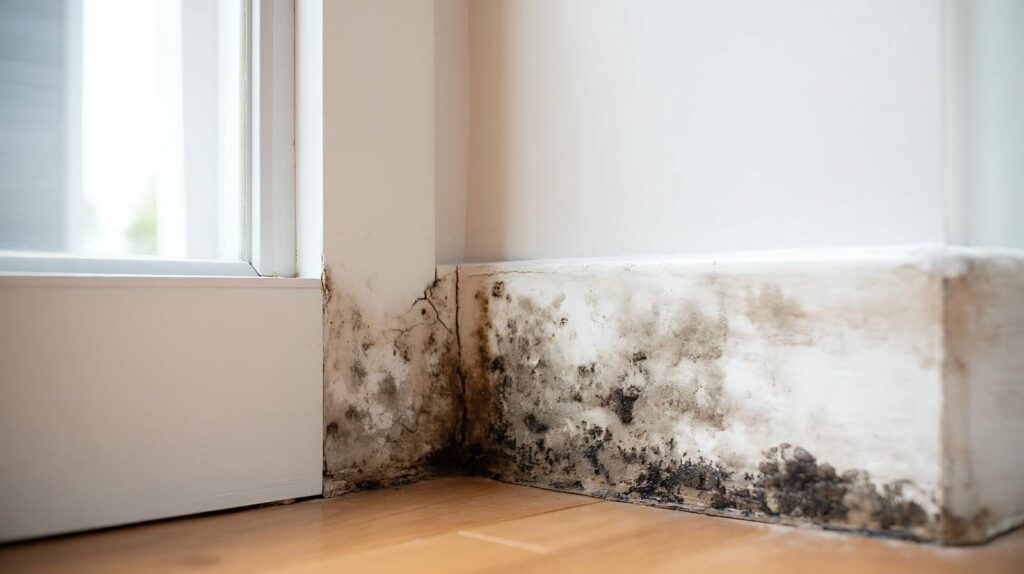
If you’ve experienced water damage in your basement, addressing mold growth is essential. Mold can pose serious health risks, particularly for vulnerable individuals. Beyond health concerns, it can also compromise your home’s structural integrity and lead to significant financial burdens. Understanding the implications of mold presence will guide your decisions on remediation. But what steps should you take to effectively manage this issue and prevent future occurrences?
Key Takeaways
- Remediating mold in water-damaged basements reduces health risks, preventing respiratory issues and allergic reactions for residents, especially vulnerable populations like children and the elderly.
- Mold compromises structural integrity by feeding on organic materials, leading to costly repairs if not addressed promptly.
- Timely remediation minimizes mold proliferation, improving indoor air quality and creating a safer living environment.
- Ignoring mold can significantly decrease property value and deter potential buyers due to visible mold issues.
- Proactive mold remediation enhances overall well-being and cultivates a sense of security in your home, preventing future growth.
Understanding Mold Growth in Damp Environments
When you encounter a damp environment, it’s important to understand how mold thrives in such conditions. Mold’s lifecycle begins with spores, which are microscopic and can remain dormant until they find moisture.
In damp conditions, such as those found in water-damaged basements, these spores germinate, leading to rapid growth. The combination of warmth and humidity creates an ideal breeding ground for mold, enabling it to flourish.
As the mold expands, it produces more spores, perpetuating the cycle and increasing the mold population. This growth can occur within 24 to 48 hours after water exposure, making prompt action critical.
Understanding this lifecycle helps you recognize the significance of immediate remediation efforts. By addressing damp conditions swiftly, you not only minimize mold growth but also foster a healthier environment for yourself and your community.
Awareness of these factors is key in maintaining a mold-free space.
Health Risks Associated With Mold Exposure
Exposure to mold can lead to significant health risks, particularly respiratory issues and allergic reactions.
If you’re in a water-damaged basement, even brief contact with mold spores can trigger symptoms such as coughing, sneezing, and difficulty breathing.
Understanding these risks is essential for safeguarding your health and effectively addressing mold problems.
Respiratory Issues
Mold can pose significant health risks, particularly regarding respiratory issues that may arise from prolonged contact. If you’re exposed to mold, you might experience symptoms like coughing, wheezing, or shortness of breath.
These respiratory health concerns can be especially severe for individuals with pre-existing conditions, such as asthma or chronic obstructive pulmonary disease (COPD). Mold exposure can also aggravate these conditions, leading to increased medical visits and reduced quality of life.
Moreover, children and the elderly are often more vulnerable, making it essential to address mold in water-damaged basements promptly.
Allergic Reactions
Allergies can be exacerbated by mold exposure, leading to a range of uncomfortable symptoms. If you have mold allergies, your immune response may overreact to mold spores, causing sneezing, itchy eyes, and skin irritation.
Even in small amounts, mold can trigger these reactions, making everyday activities challenging. For individuals with pre-existing respiratory conditions, the impact can be even more severe.
By remediating mold in water-damaged basements, you not only eliminate the source of these allergens but also enhance your overall living environment.
It’s crucial to understand that addressing mold issues can greatly reduce the risk of allergic reactions, fostering a healthier space for you and your loved ones.
Prioritizing remediation can help you reclaim your comfort and well-being.
Structural Damage Caused by Mold
Structural integrity can be severely compromised when mold proliferates in water-damaged basements. As mold spreads, it feeds on organic materials like wood and drywall, leading to deterioration and weakening of structural components.
You mightn’t realize that mold can silently undermine your home, making it essential to employ effective mold identification techniques. By spotting mold early, you can prevent extensive damage and costly repairs.
Implementing moisture control measures is important to mitigate mold growth. This involves addressing leaks, ensuring proper ventilation, and maintaining low humidity levels.
When you take these steps, you not only protect your home’s structure but also contribute to a healthier living environment. Ignoring mold can lead to progressive structural issues that might take years to manifest, making proactive measures crucial.
Financial Implications of Ignoring Mold
Ignoring mold in your basement can greatly decrease your property’s value, making it less attractive to potential buyers.
Additionally, the health risks associated with mold exposure can lead to increased medical expenses over time.
Evaluating these financial implications is essential for making informed decisions about mold remediation.
Property Value Decrease
When homeowners neglect mold issues in water-damaged basements, they risk significant financial repercussions.
Mold not only deteriorates the structural integrity of your property but also leads to a decrease in property appraisal values. When it comes time to sell, potential buyers are likely to be deterred by visible mold or even the mere suggestion of water damage. This can greatly impact your home’s resale value, often forcing you to accept lower offers or face prolonged market time.
Additionally, many lenders and insurance companies may flag or deny financing for properties with mold issues, further complicating the selling process.
Ultimately, addressing mold proactively protects your investment and preserves your home’s value in the competitive real estate market.
Increased Health Costs
Failing to address mold in water-damaged basements not only affects property values but also leads to increased health costs for homeowners.
Ignoring mold can result in mold-related illnesses, which may require extensive medical attention. As you and your family are exposed to mold spores, the risk of respiratory issues, allergies, and other health complications rises markedly.
Consequently, you may face increased healthcare expenses, including doctor visits, medications, and treatments. The financial burden can escalate quickly, impacting your budget and overall well-being.
By prioritizing mold remediation, you not only protect your home but also safeguard your family’s health, ultimately reducing the risk of costly health issues down the line.
Investing in remediation now can save you from unexpected financial strain later.
Importance of Timely Remediation
Timely remediation is essential for preventing further damage and health risks associated with mold growth in water-damaged basements. When you take proactive measures immediately after water intrusion, you can greatly minimize the extent of mold proliferation.
Delaying action only allows mold spores to multiply, compromising indoor air quality and increasing potential health hazards for everyone in the space.
Moreover, addressing mold swiftly helps protect your property’s value. Mold can weaken structural elements, leading to costly repairs if not managed promptly.
By prioritizing timely action, you guarantee a safer, healthier environment for yourself and your family.
In essence, the importance of timely remediation can’t be overstated. It not only safeguards your health but also preserves your investment in the property.
Effective Mold Removal Techniques
To effectively remove mold from water-damaged basements, it’s essential to employ a combination of techniques tailored to the severity of the infestation.
Start by evaluating the affected area; for minor mold, cleaning solutions like vinegar or hydrogen peroxide can be effective. Apply these solutions directly to the moldy surfaces, allowing them to sit for at least 10 minutes before scrubbing with a brush.
For more extensive infestations, you might need commercial mold removal products that contain fungicides.
Always wear protective gear, including gloves and masks, to safeguard against exposure.
After cleaning, make sure the area is well-ventilated to aid in drying, as moisture can promote regrowth. Additionally, consider using a dehumidifier to maintain low humidity levels in the basement.
Preventing Future Mold Growth
While removing existing mold is essential, preventing future growth is equally important for maintaining a healthy basement environment. To achieve this, you should implement effective mold prevention strategies that focus on controlling moisture levels.
Start by regularly inspecting your basement for leaks or dampness, as these are primary contributors to mold development.
Utilizing moisture control methods, such as dehumidifiers and proper ventilation, can greatly reduce humidity levels. Consider sealing cracks in walls and floors to prevent water intrusion and using vapor barriers on exposed soil.
It’s also wise to maintain proper drainage around your home, ensuring that gutters and downspouts direct water away from the foundation.
Professional vs. DIY Mold Remediation
When deciding between professional and DIY mold remediation, it’s essential to assess the extent of the mold problem and your own capabilities.
DIY methods can be cost-effective, but they come with safety concerns, especially if you’re dealing with extensive mold growth. Evaluate your skill level and the equipment requirements; proper tools are vital for effectiveness.
Professional services often provide a thorough effectiveness evaluation and handle permitting issues, which can save you time and stress.
Consider the time investment involved in DIY versus hiring professionals. While you might save money with DIY, the potential for long-term maintenance issues could outweigh initial savings.
If the mold problem is extensive, professional remediation might be the better choice for ensuring safety and thoroughness.
Ultimately, weigh the cost comparison against the potential risks and benefits to determine the best approach for your situation.
Long-Term Benefits of a Mold-Free Basement
A mold-free basement offers significant long-term advantages that extend beyond immediate health concerns.
First, it enhances your home’s structural integrity, preventing costly repairs linked to mold damage. By implementing effective mold prevention strategies, you create a safer environment for your family, reducing allergens and irritants that can provoke health issues.
Moreover, a clean basement fosters a more pleasant living space, allowing you to utilize that area for activities or storage without the worry of mold resurgence. Incorporating basement ventilation solutions can further improve air quality, ensuring a drier environment that deters mold growth.
Additionally, maintaining a mold-free basement can boost your property value, as potential buyers often seek homes with lower risks of mold-related issues.
Ultimately, keeping your basement mold-free not only protects your investment but also cultivates a sense of security and well-being for you and your loved ones.
Frequently Asked Questions
How Can I Tell if Mold Is Growing in My Basement?
To determine if mold’s growing in your basement, use mold identification techniques like visual inspections and smell tests. Check basement humidity levels; if they’re consistently above 60%, it’s a sign you might have mold issues.
What Are the Signs of Water Damage in a Basement?
You’ll notice signs of water damage in your basement by observing water stains on walls or floors, and peeling paint. These indicators suggest moisture problems that need immediate attention to prevent further issues.
How Quickly Can Mold Grow After Water Exposure?
Mold can start growing within 24 to 48 hours after water exposure. With moisture present, it can spread rapidly, potentially doubling in size every 24 hours, creating serious health risks and structural issues if left untreated.
Can I Still Use My Basement During Mold Remediation?
You can use your basement during mold remediation, but guarantee you take safety precautions. Temporary access might be possible, yet it’s essential to maintain ventilation and avoid disturbing mold spores for your health and safety.
What Should I Do With Belongings in a Moldy Basement?
You’ll want to assess your belongings carefully; dispose of anything severely affected by mold. Keep valuable items safe, but don’t risk your health. A mold assessment can help determine what’s salvageable versus what’s better discarded.
To Sum Up
Remediating mold in water-damaged basements isn’t just about aesthetics; it’s about safeguarding your health and home. Ignoring mold is like leaving a ticking time bomb, where hidden dangers lurk, waiting to explode into costly repairs and health issues. By addressing mold promptly, you not only enhance air quality but also preserve your property’s value, ensuring a safe haven for you and your loved ones. Don’t let mold take root act decisively for a healthier, more secure environment.
Recent Posts
3 Best Emergency Tips for Sewage Backup Cleanup
Sewage backups can release harmful pathogens that pose serious health risks, often underestimated by homeowners.
Steps for Mold Remediation in Flooded Basements
It’s often believed that once a basement floods, mold is an inevitable consequence. However, by
Top Tips for Mold Prevention Post-Flooding
Just like the aftermath of a storm, dealing with flooding requires immediate and strategic action